Location
City
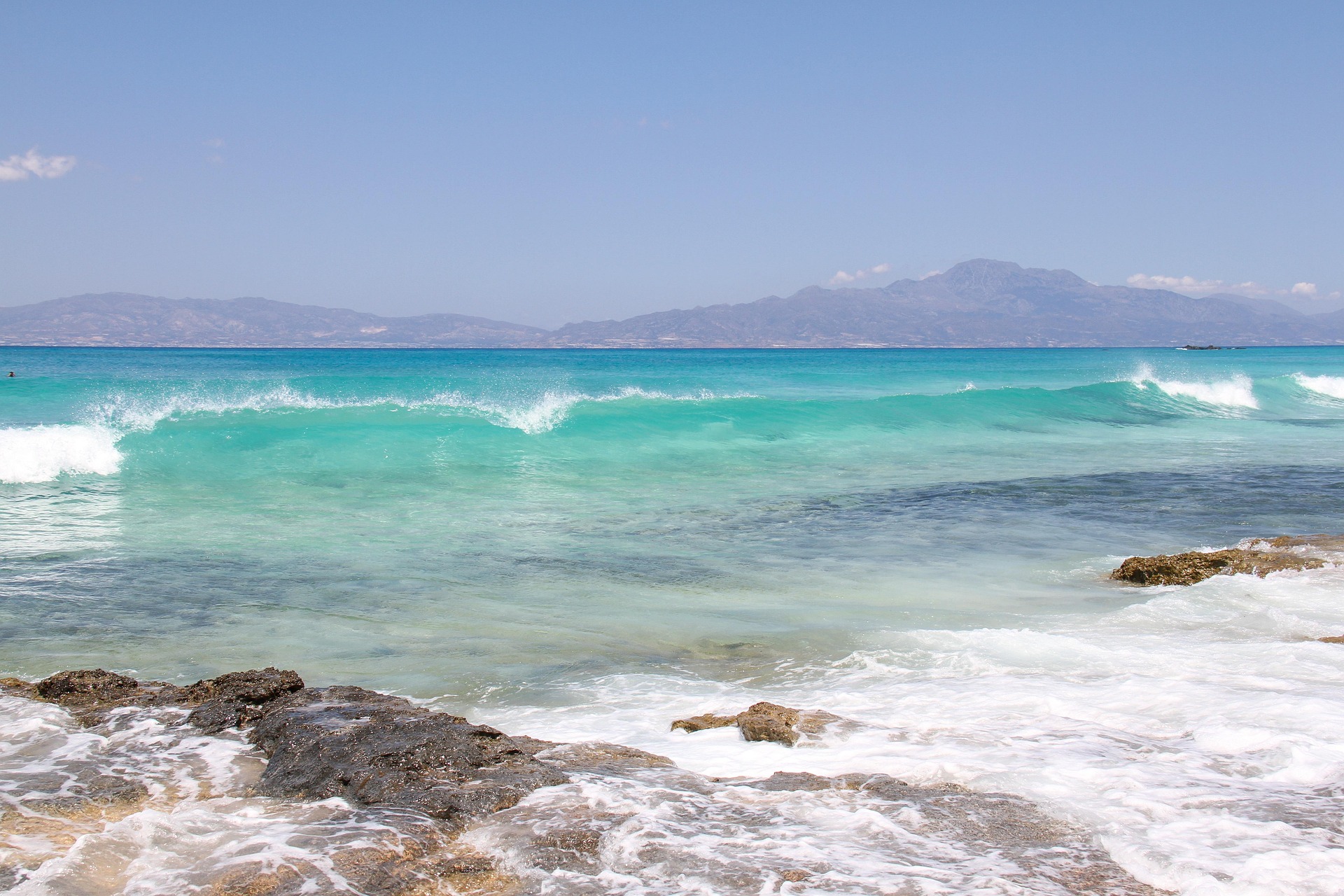
Crete
Crete, the largest of the Greek islands, is a land of striking contrasts and timeless beauty. From the ancient ruins of Knossos and Phaistos to the Venetian harbors of Chania and Rethymno. Its landscape stretches from rugged mountain ranges like the White Mountains (Lefka Ori) to golden beaches lapped by the crystal-clear waters of the Aegean and Libyan Seas.
Visitors can explore the dramatic Samaria Gorge, one of Europe’s longest canyons, or relax on the exotic Elafonissi Beach, famous for its pink sand and shallow turquoise waters. The island’s south coast hides peaceful villages and remote coves, while bustling cities like Heraklion, Chania, and Agios Nikolaos offer lively nightlife, museums, and excellent cuisine.
Crete is also a paradise for food lovers - local olive oil, cheese, honey, and wine reflect centuries of Cretan tradition.
Discover Crete: https://www.visitgreece.gr/islands/crete/
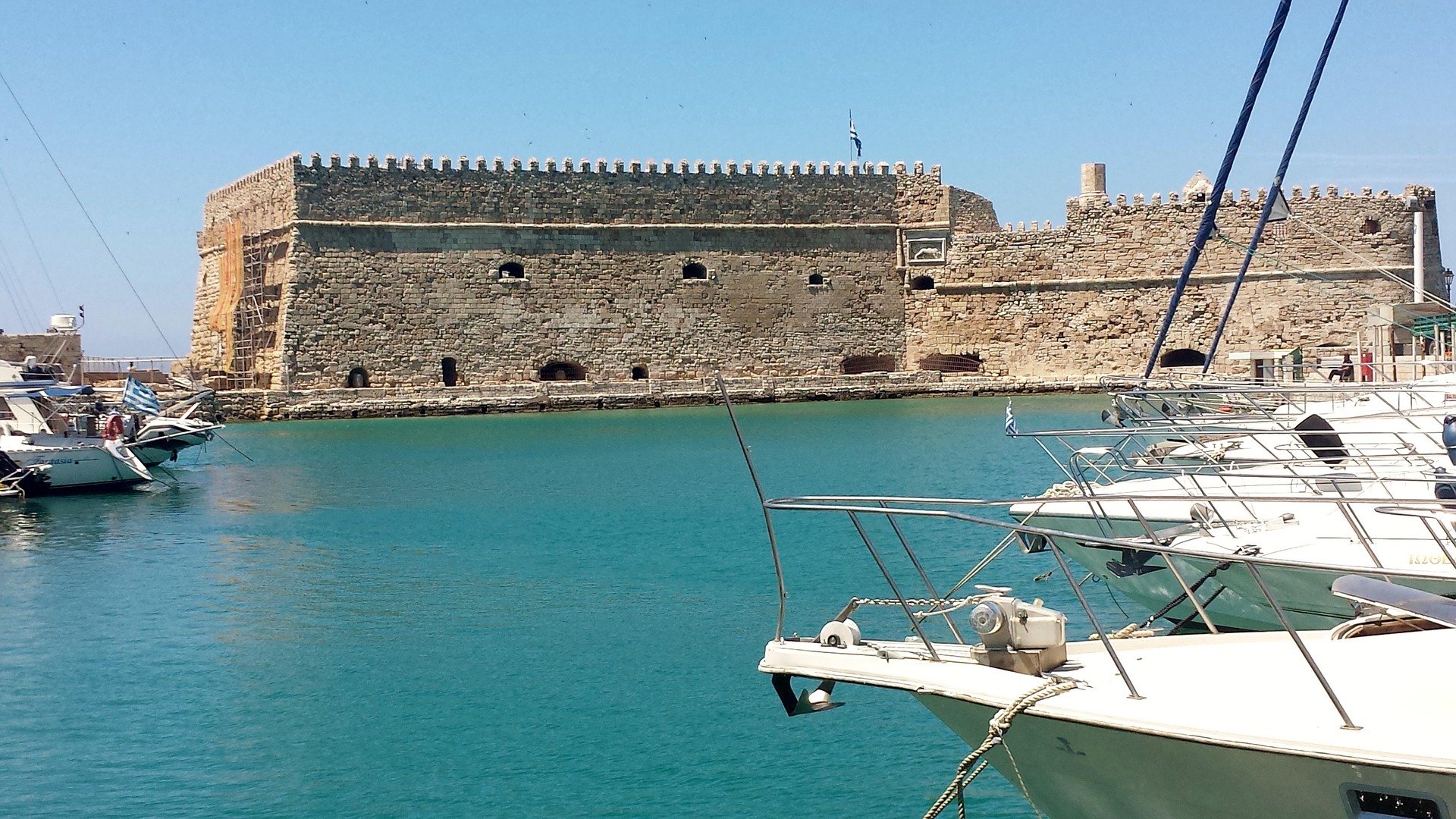
Heraklion
Heraklion, the vibrant capital of Crete, is a city where ancient history and modern life blend in perfect harmony. The present city was founded in 824 AD by the Saracens, who surrounded it with a massive defensive moat.
Among the city’s highlights are Eleftherias Square, the bustling central hub; the world-renowned Archaeological Museum with treasures from Knossos; and Rocca al Mare (Koules Fortress) guarding the old Venetian port. Visitors can stroll along Daidalou Street, a busy pedestrian shopping area, or visit the Basilica of St. Mark, home to the Municipal Art Gallery.
Heraklion is a place where ancient legends, Venetian elegance, and Cretan energy come together- a true gateway to the island’s soul.
Explore Heraklion: https://www.visitgreece.gr/islands/crete/irakleio/
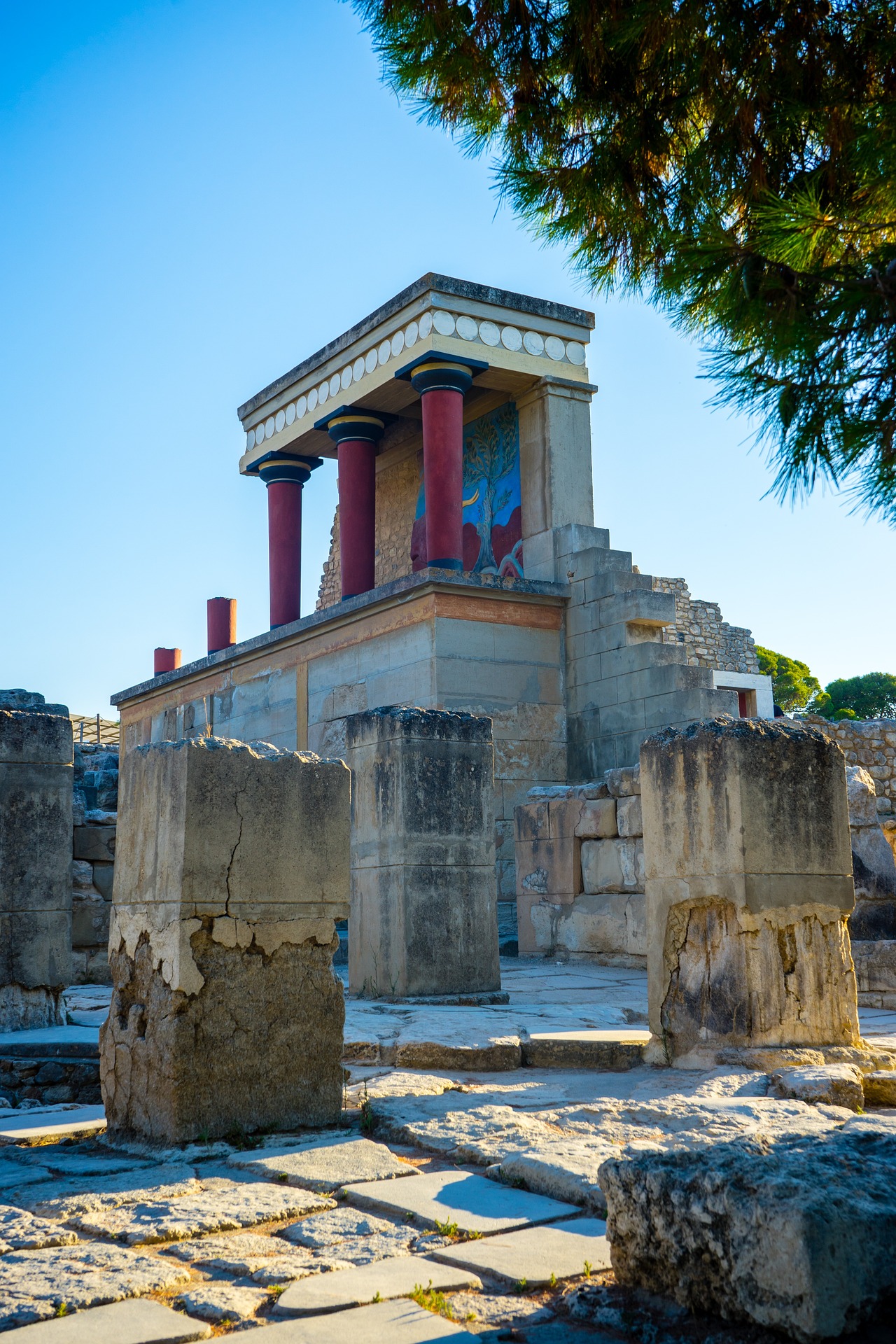
Knossos
Knossos, located just a few kilometers south of Heraklion, is the most famous archaeological site on Crete and one of the most important in all of Greece. Once the political, cultural, and ceremonial center of the Minoan civilization - Europe’s earliest advanced society - Knossos dates back to around 2000-1400 BCE. At the height of its glory, the palace had five floors and around 1,300 rooms, capable of accommodating several thousand people. The complex was equipped with its own drainage system and baths.