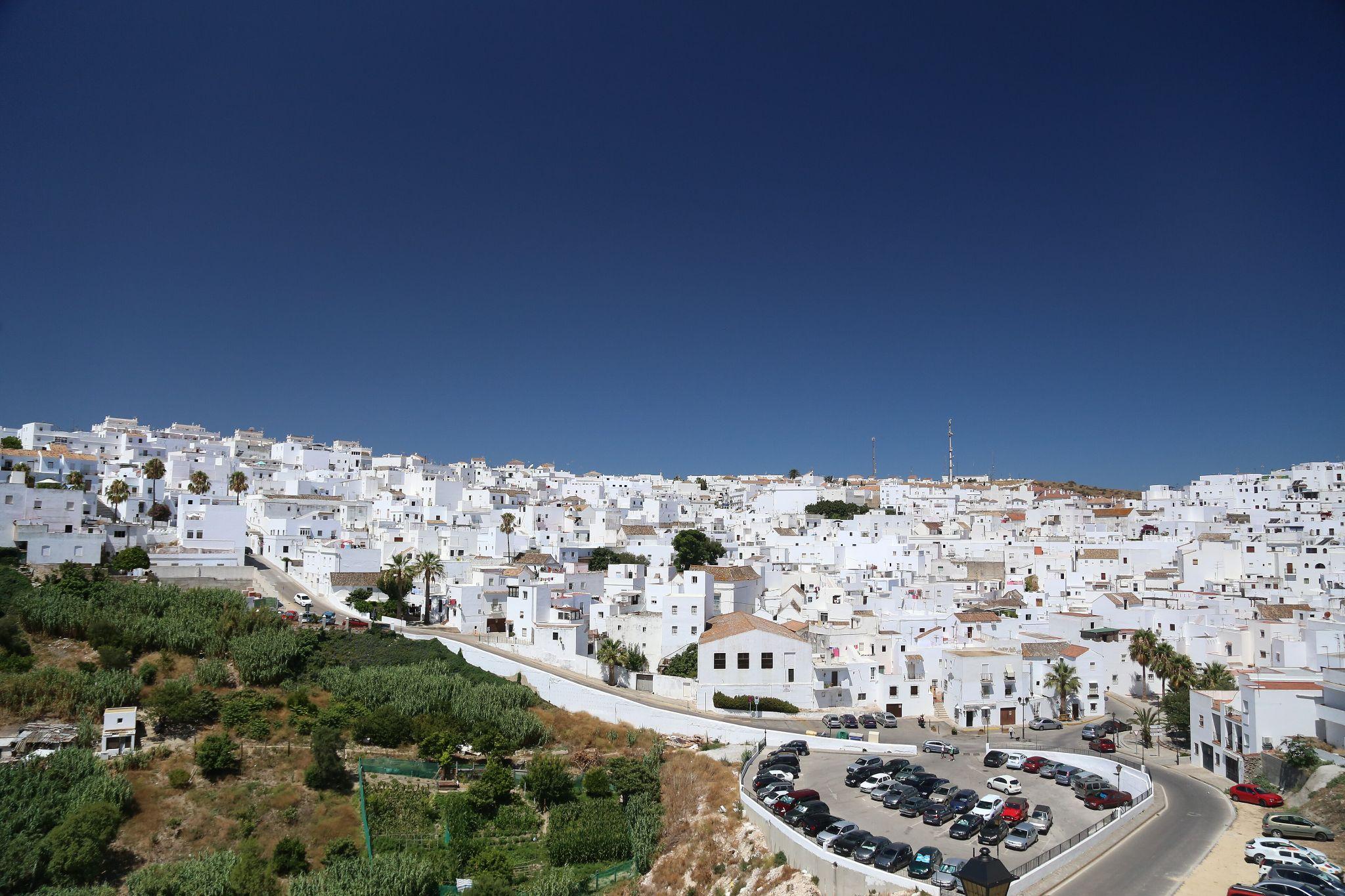
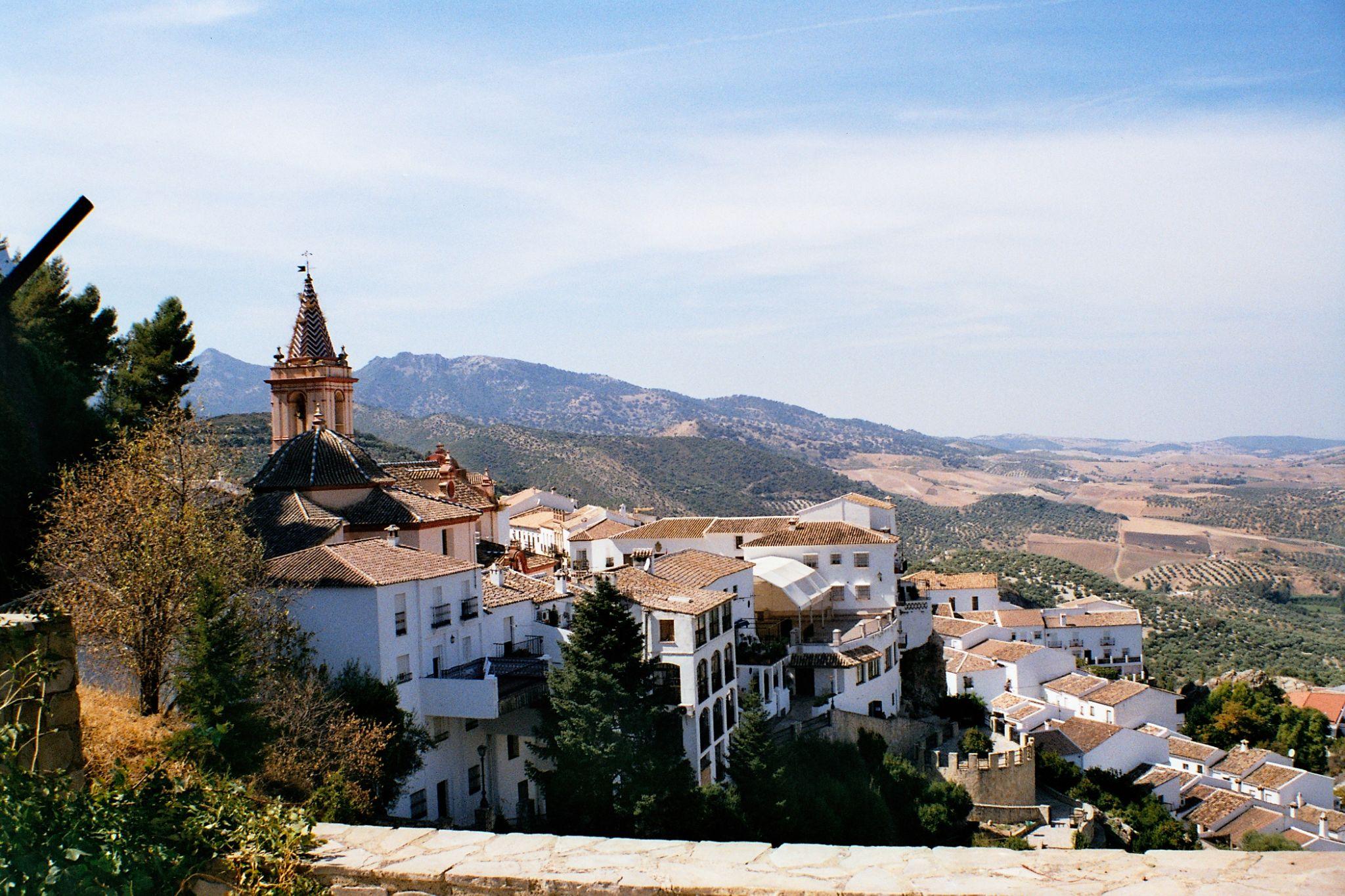
Conference Venue & Cádiz Guide
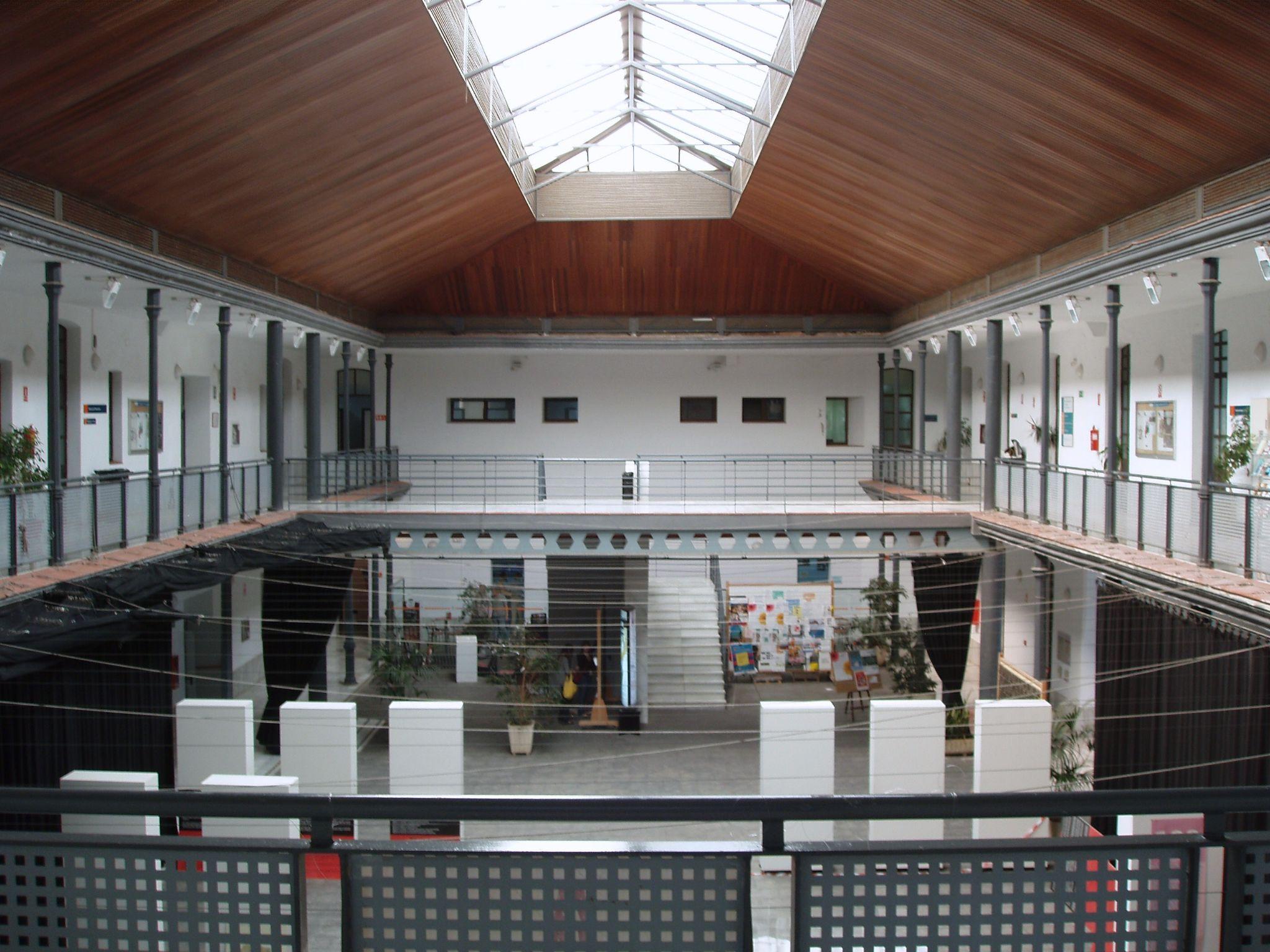
Edificio Constitución de 1812 (Aulario La Bomba) (University of Cadiz, Spain) · Paseo Carlos III nº 3, 11003 – Cádiz, Spain. Conference dates: 15–17 September 2027.
Edificio Constitución de 1812 (Aulario La Bomba)
University of Cadiz, Spain
Paseo Carlos III nº 3, 11003 – Cádiz, Spain
Paseo de Carlos III, Historic Waterfront · 36.5366° N, 6.3051° W
1. Conference Venue – Edificio Constitución de 1812 (Aulario La Bomba)
The conference will be held at the Edificio Constitución de 1812, commonly known as Aulario La Bomba, one of the University of Cádiz's best-known university buildings. The building occupies the former La Bomba military barracks and is located on Paseo de Carlos III, close to the historic centre and the waterfront. It was renamed “Edificio Constitución de 1812” in connection with the bicentenary of the Spanish Constitution of 1812, which was proclaimed in Cádiz.
The venue is within easy walking distance of many of the historic centre's main attractions, restaurants and seaside areas, making it convenient for conference participants who wish to explore Cádiz between sessions.
2. Cádiz and the Province
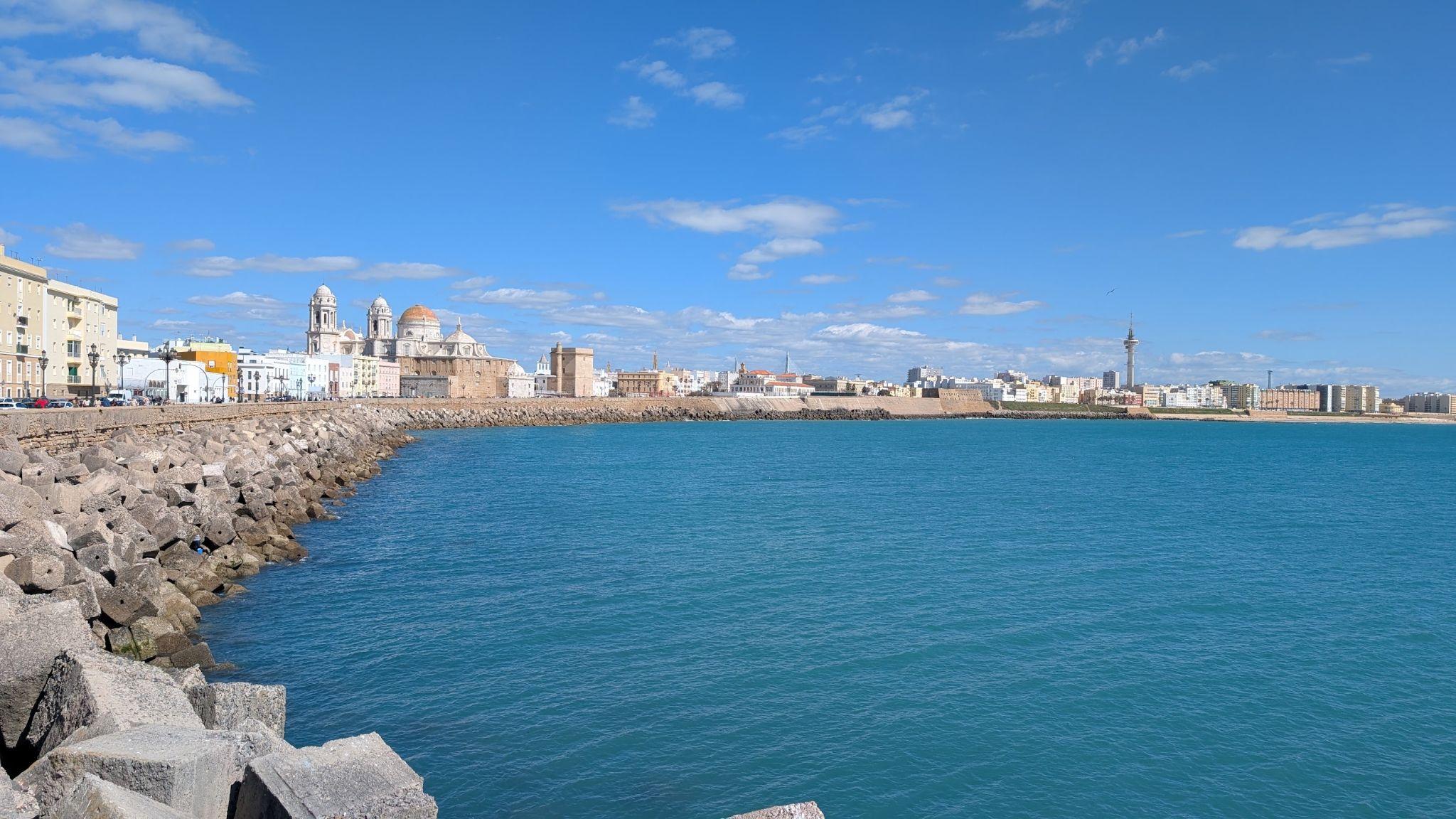
Cádiz is a historic Atlantic city in southern Spain and the capital of the Province of Cádiz, in Andalusia. Located on a narrow peninsula surrounded by the sea, the city combines a remarkable historical heritage with beaches, maritime landscapes and a lively local culture. Cádiz is traditionally regarded as one of the oldest continuously inhabited cities in Western Europe, with a history extending back more than three millennia. Its Phoenician, Roman, medieval and early modern heritage can still be seen in its urban fabric, fortifications, historic buildings and archaeological remains.
The Province of Cádiz offers a particularly varied setting for visitors. Along the Atlantic coast, the Costa de la Luz is known for long sandy beaches, small coves and spectacular sunsets. Inland, visitors can discover the White Villages, natural parks and the wine-producing area around Jerez de la Frontera. The province is also renowned for its gastronomy, including fresh seafood, tuna from the traditional almadraba fisheries, local cheeses, olive oil and the wines of the Marco de Jerez.
3. Cádiz City
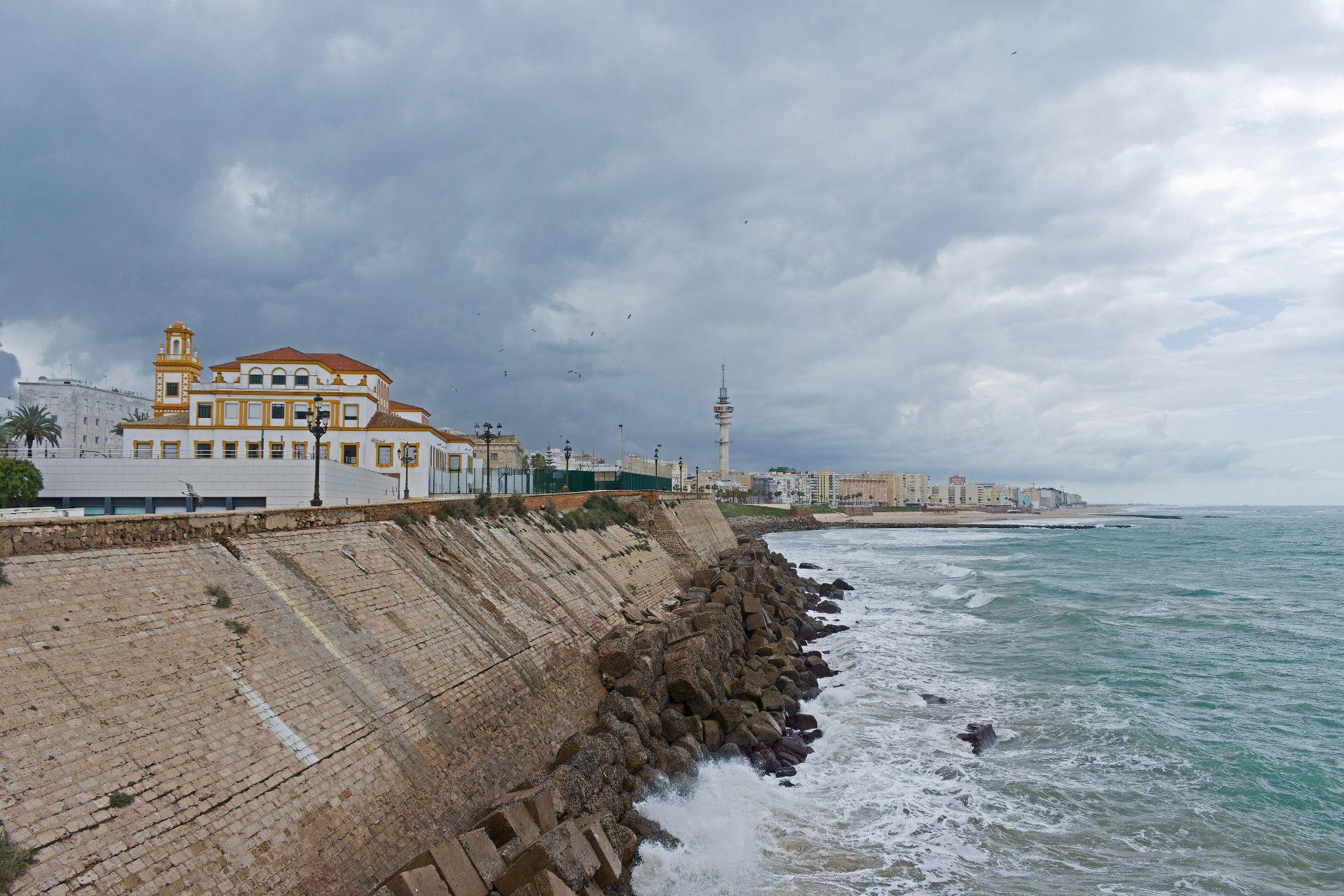
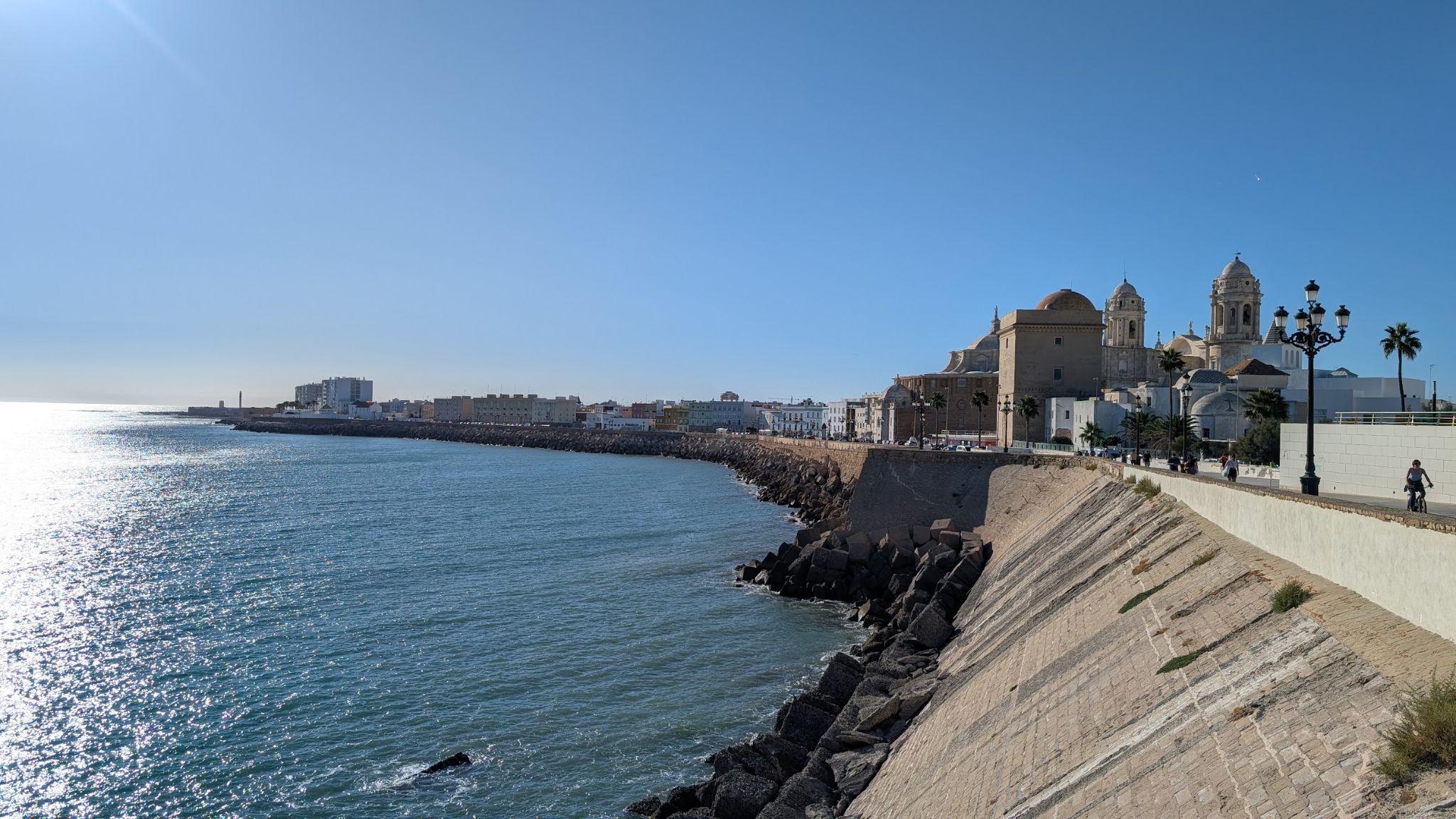
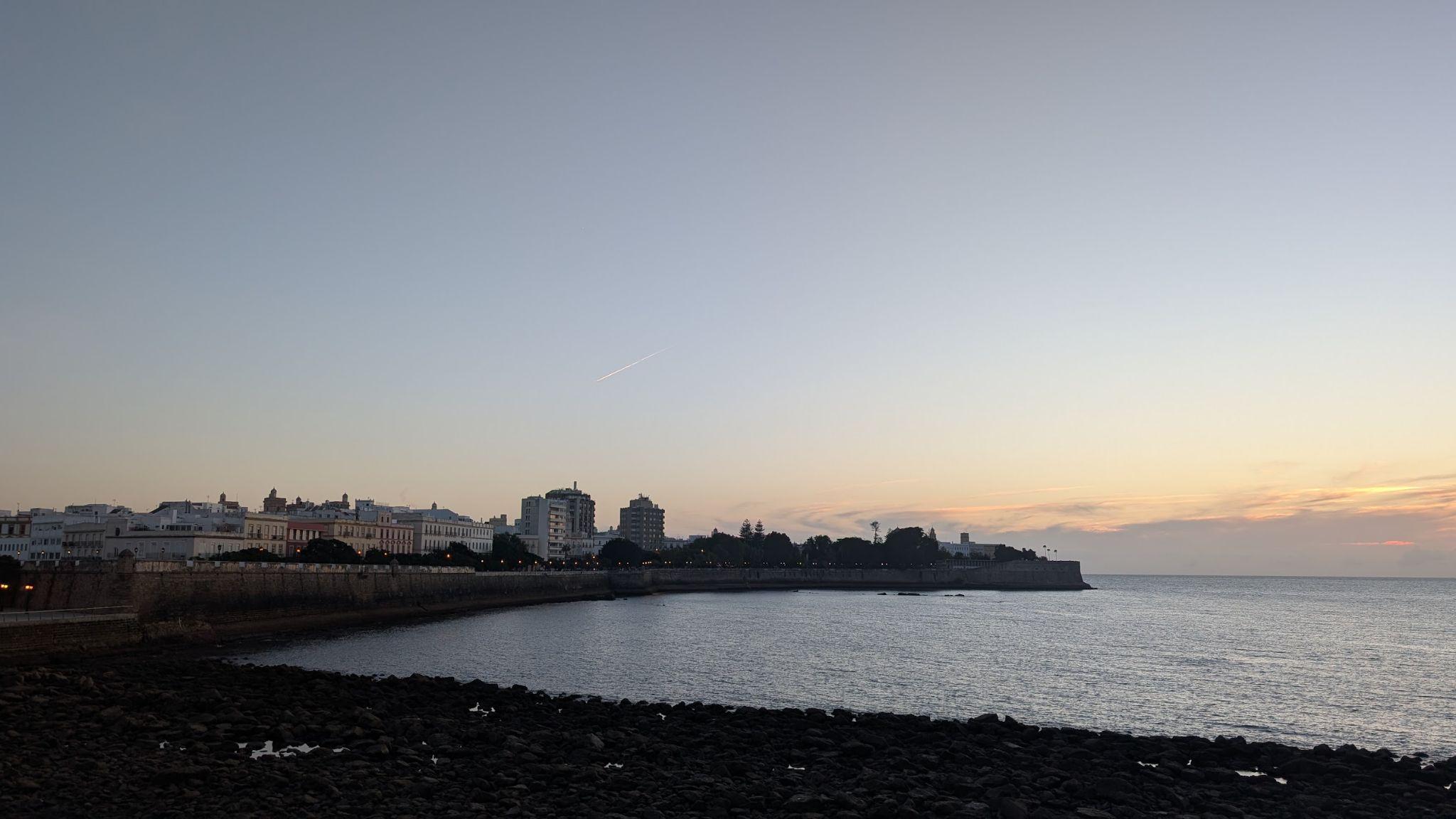
The historic centre of Cádiz is particularly well suited to exploring on foot. Visitors can walk through narrow streets and historic squares, visit the Central Market, admire the Cathedral and the Grand Theatre Falla, and follow the seafront along the Campo del Sur. The city's fortifications and coastal position provide distinctive views of the Atlantic and the historic city.
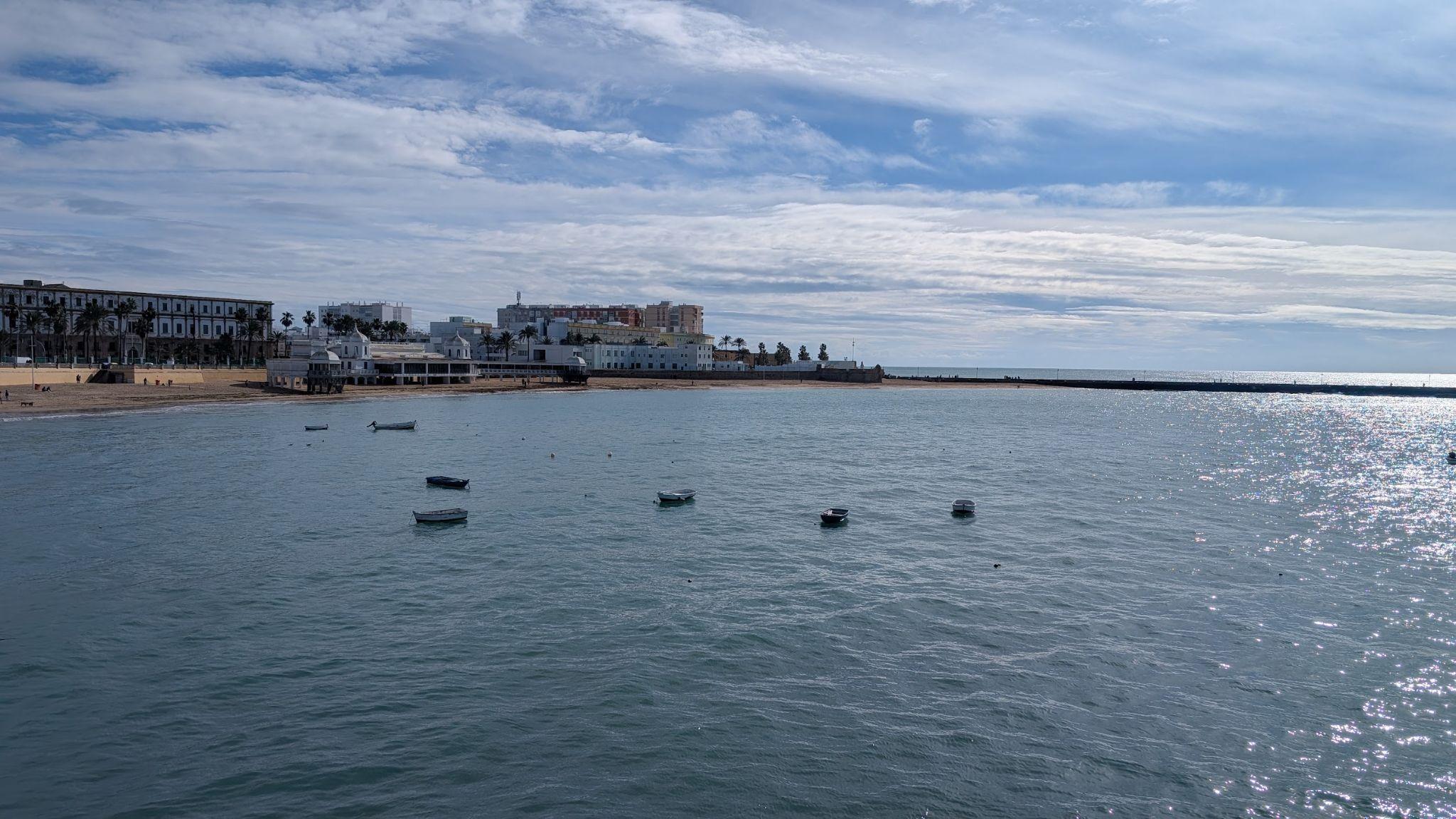
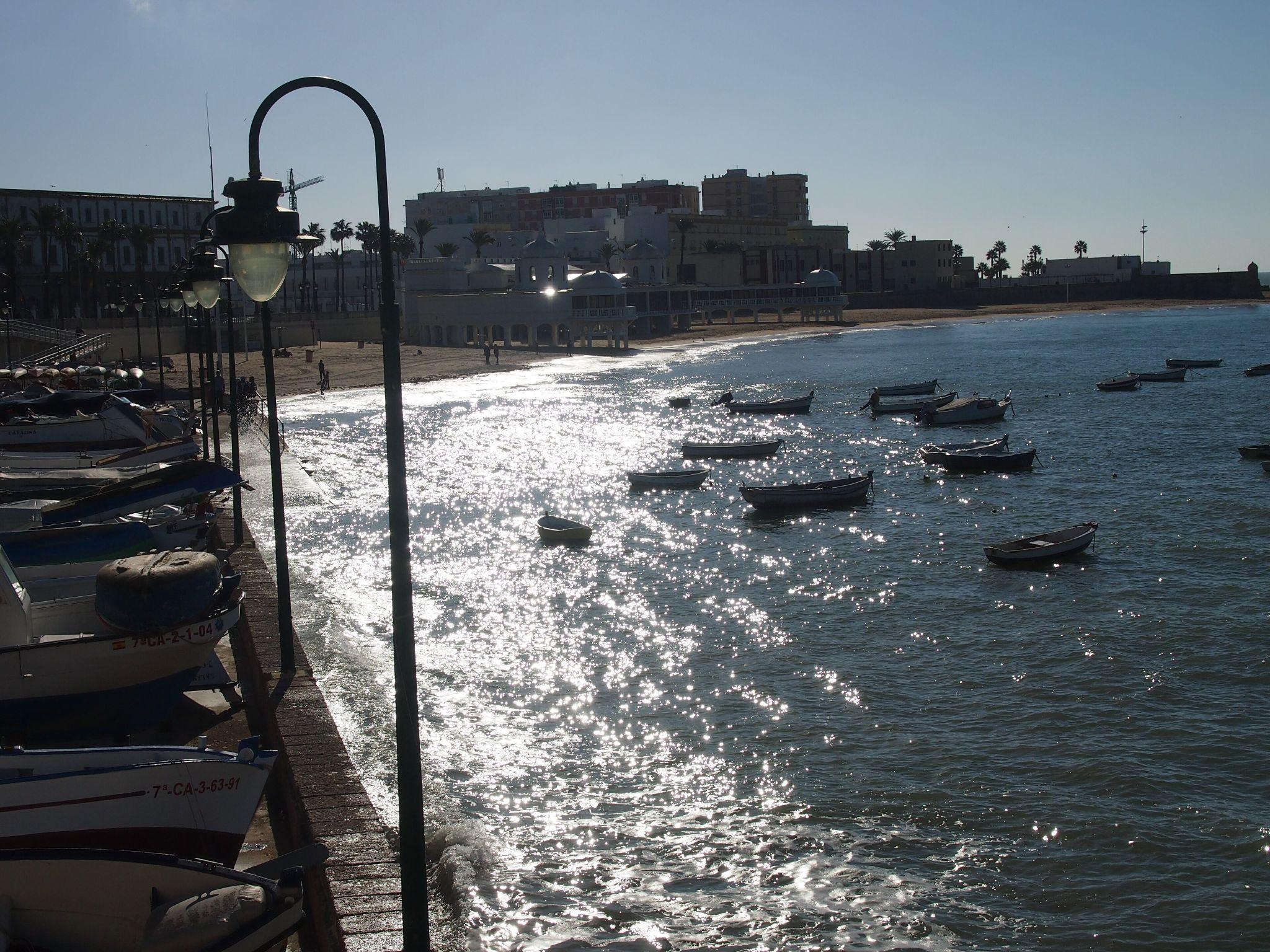
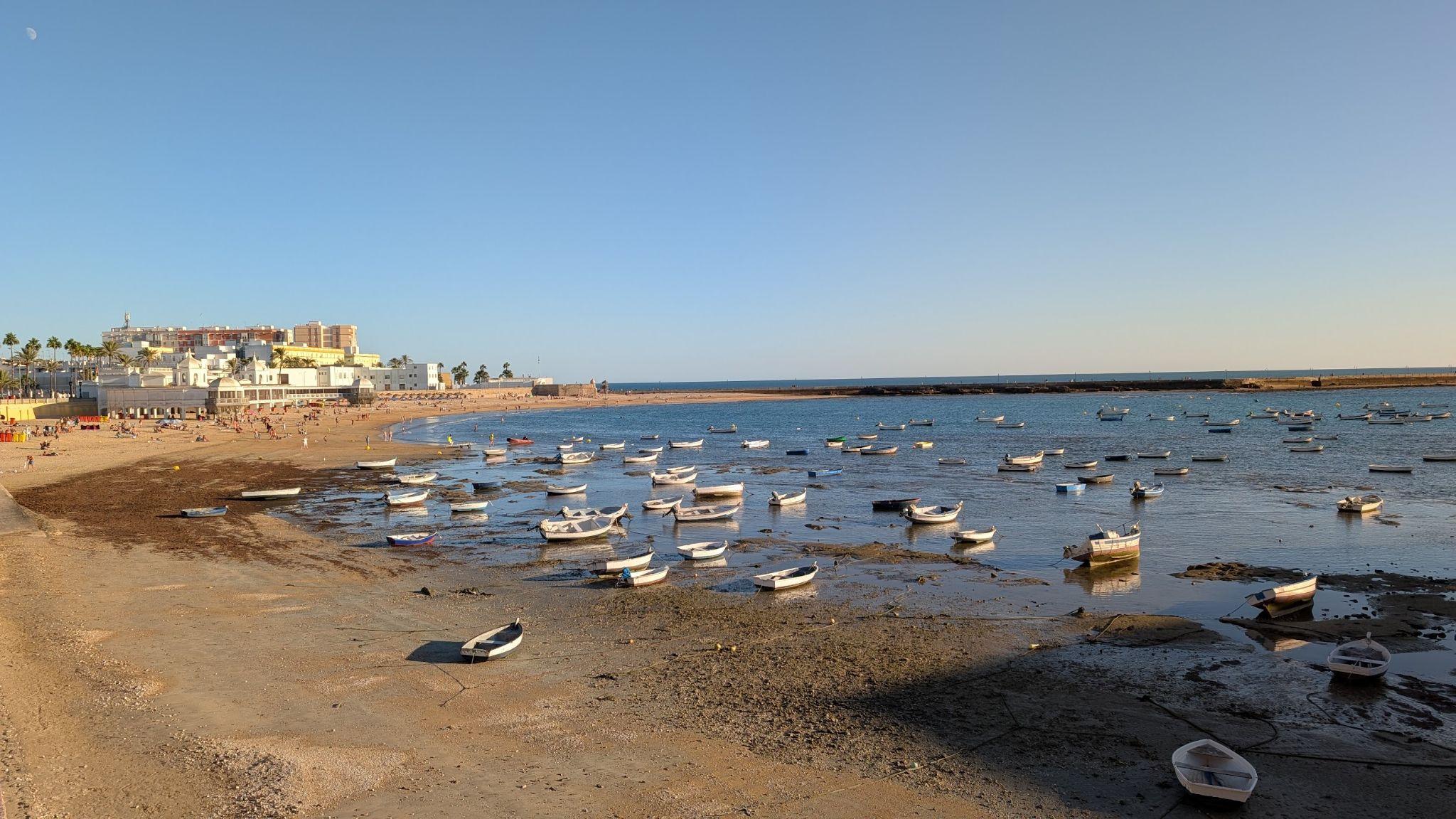
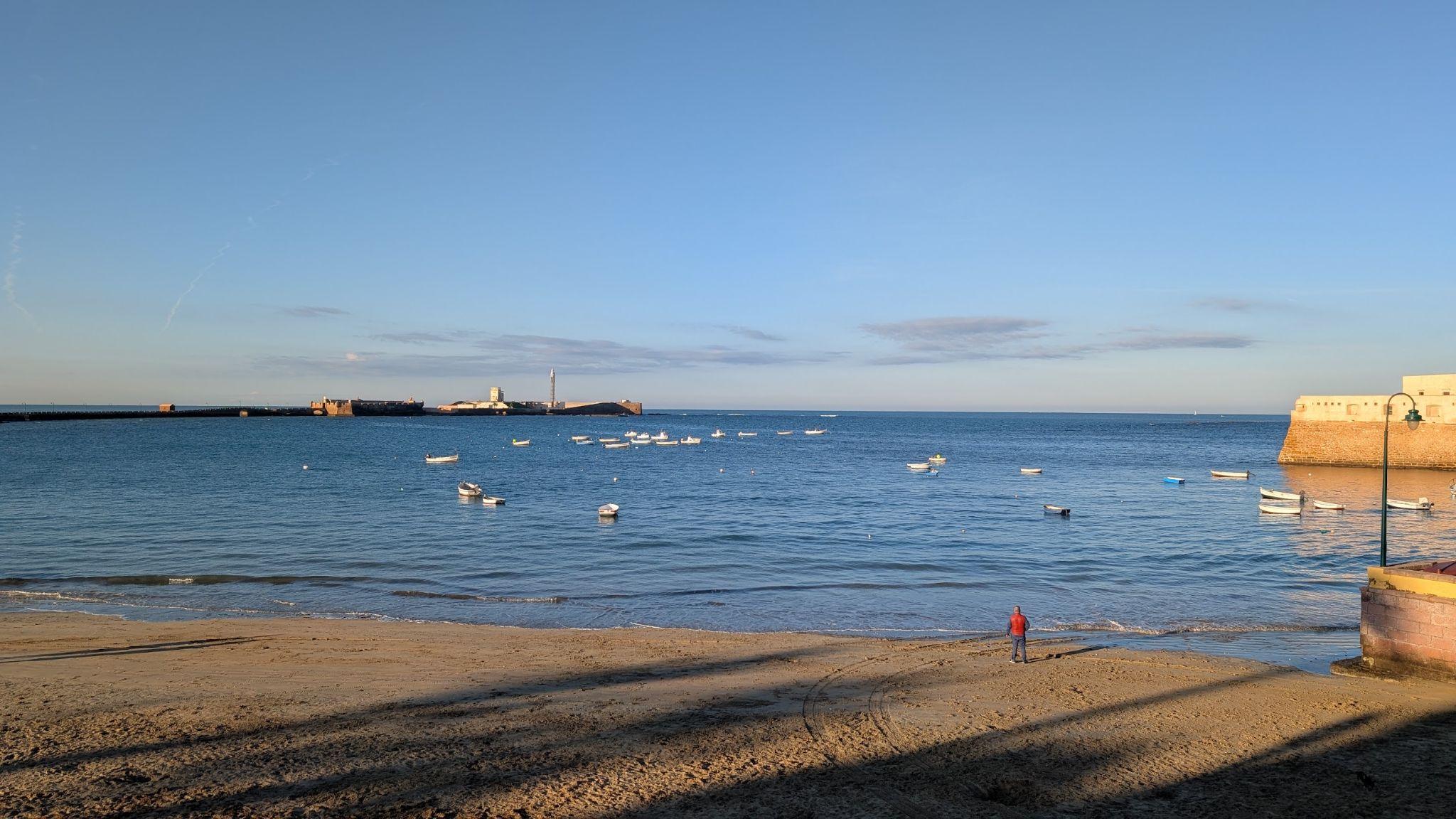
One of the city's best-known landmarks is La Caleta, a small urban beach located in the historic centre between the castles of Santa Catalina and San Sebastián. The beach and its waterfront are closely associated with the identity of Cádiz and offer an especially attractive setting at sunset.
4. Beaches and Seafront
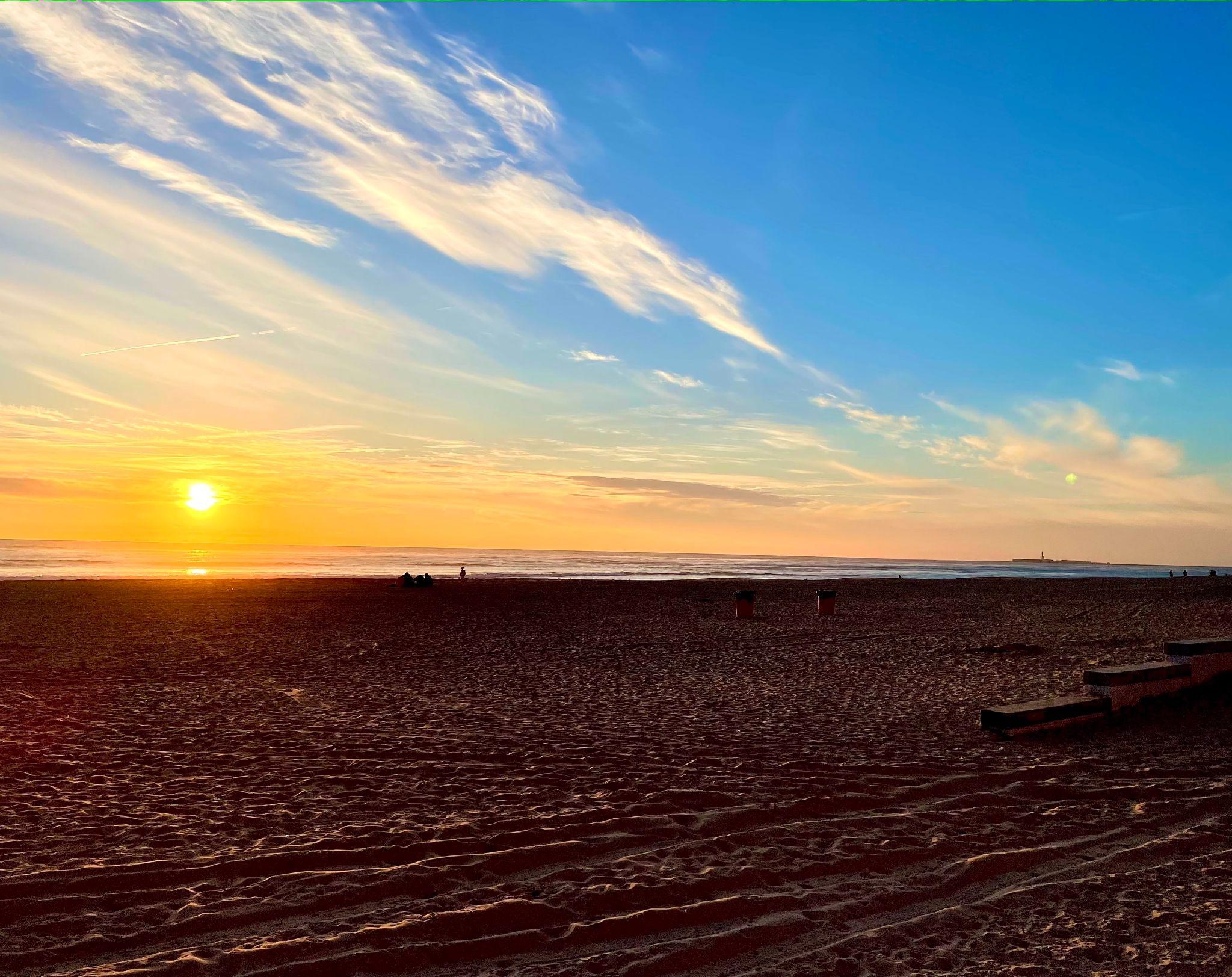
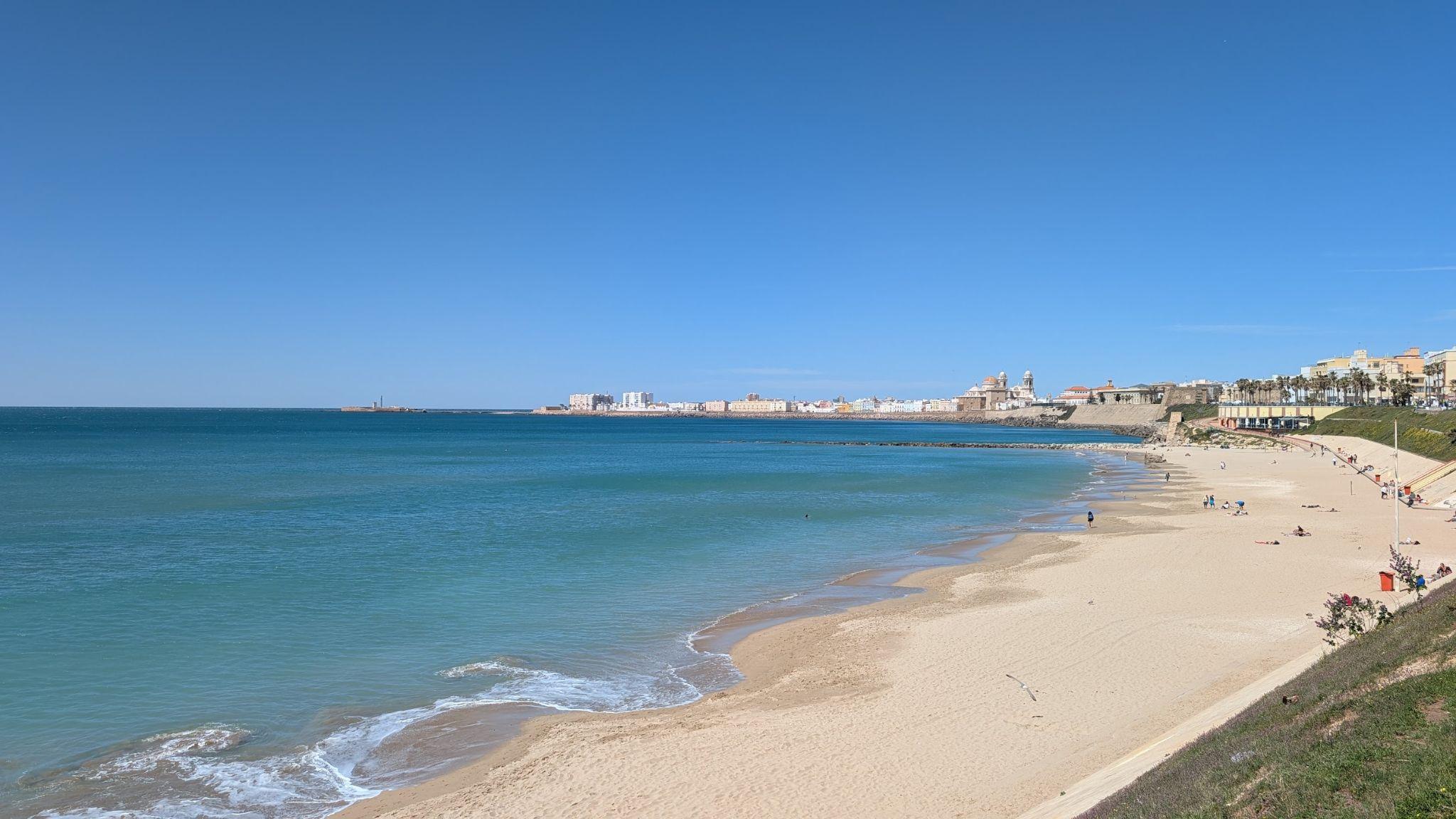
Cádiz is surrounded by beaches. La Caleta is the most emblematic beach in the historic centre, while Playa de la Victoria is a long urban beach extending along the modern part of the city. Playa de la Victoria is approximately 2.8 km long and is bordered by a broad seafront promenade with restaurants and other services. In September, the weather is generally suitable for enjoying the city's outdoor spaces and beaches.
5. Suggestions for Visitors
- Explore the historic centre and its traditional neighbourhoods, especially La Viña and the area around the Cathedral.
- Walk along the Campo del Sur and visit the fortifications around La Caleta.
- Visit the Cathedral, Central Market and Gran Teatro Falla.
- Enjoy local seafood, fried fish, red tuna and traditional Andalusian cuisine.
- A day trip to Jerez de la Frontera, famous for its wines and equestrian traditions.
- Visit one of the White Villages, such as Vejer de la Frontera or Zahara de la Sierra.
- Exploring the beaches and natural landscapes of the wider Costa de la Luz (for participants staying longer).